Get Tree Shaping Service
Tree Shaping Service providers help property owners with designing, shaping, and maintaining trees and living structures to solve landscape and structural challenges.
Tree shaping services offer a unique way for property owners to enhance their outdoor spaces with functional and aesthetically pleasing greenery. Whether interested in creating natural structures, optimizing shade, or adding distinctive landscape features, exploring local contractors who specialize in tree shaping can provide practical solutions tailored to specific property needs. This approach allows for customized planning that aligns with the overall landscape design, making it a compelling option for those seeking innovative ways to improve their property.
For property owners considering tree shaping, comparing different local service providers can help identify the right fit for their project goals. Many local contractors have experience working on diverse projects, offering insights into the best practices and techniques for shaping trees effectively. Continuing to explore available options can lead to well-informed decisions that support long-term property value and outdoor enjoyment.
- Living fences - when property boundaries require natural, aesthetic barriers that also serve as functional plantings.
- Tree seating and furniture - for creating natural benches or tables integrated into landscape designs and outdoor spaces.
- Architectural tree shaping - when designing custom, artistic features or structures using living trees and plants.
- Tree sculpting and topiary - for enhancing garden aesthetics or creating themed landscape elements through precise shaping.
- Functional living structures - when incorporating trees into building elements like shaded walkways, arches, or natural supports.
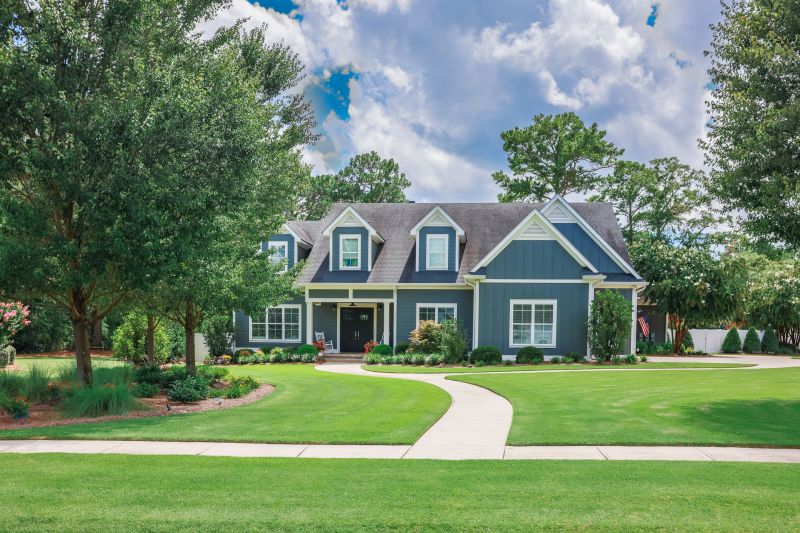
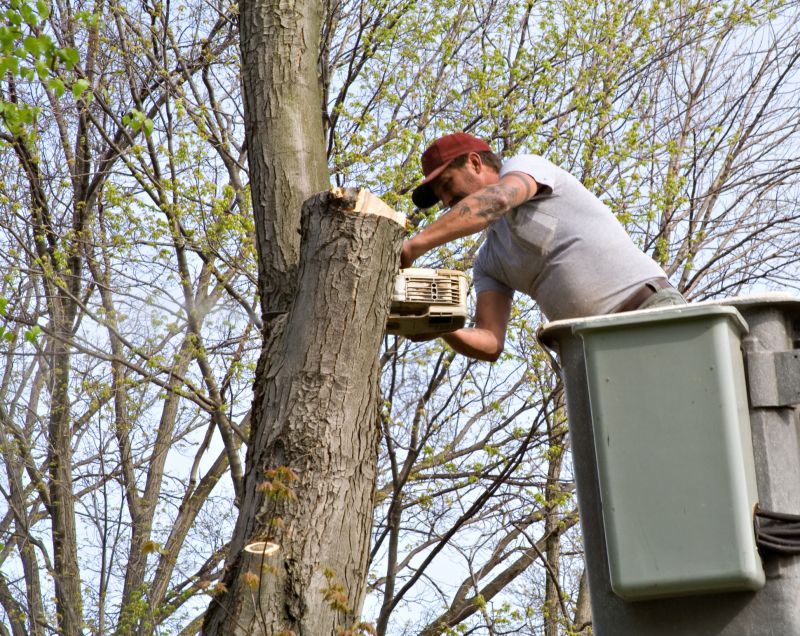
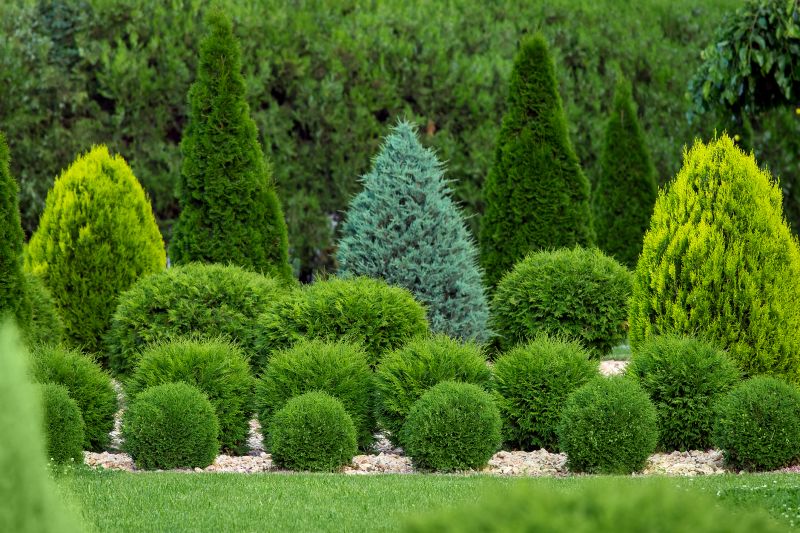
Tree shaping services involve the strategic training and guiding of trees and shrubs to grow in specific forms or structures. This process often includes methods such as pruning, wiring, and supporting branches to achieve desired shapes, whether for aesthetic appeal or functional purposes. Homeowners interested in creating living fences, decorative features, or custom-shaped trees can benefit from professional shaping techniques that promote healthy growth while shaping the plant to fit their vision. Skilled service providers understand how to work with different types of trees and shrubs to ensure the shaping process enhances their natural beauty without harming the plants.
These services help address common landscaping challenges, such as overgrown or unruly trees, uneven growth, or the desire for unique landscape features. For example, shaping can help manage the size and spread of trees in smaller yards, preventing them from becoming too invasive or obstructive. It can also help create privacy screens or define outdoor spaces with living walls or hedges. By carefully training trees to grow in specific directions or forms, property owners can improve the visual appeal of their landscapes while maintaining the health and vitality of their plants.
Tree shaping services are often utilized on residential properties, including single-family homes, as well as on commercial and community spaces that value distinctive landscape features. Homeowners with limited yard space may seek shaping to keep trees manageable and visually appealing, while property managers of parks or public gardens might use these techniques to create artistic or functional landscape elements. These services are suitable for properties that want to incorporate living structures into their design, whether for aesthetic enhancement, privacy, or structural support.
Homeowners who notice their trees growing in undesirable ways, such as uneven branches or excessive height, may find tree shaping services helpful. Additionally, those looking to add a unique, customized aesthetic to their outdoor space or to improve the health and structure of their trees can benefit from professional shaping. Local contractors who specialize in tree training and pruning can assess the specific needs of each property and develop a plan that promotes healthy growth while achieving the desired visual effect. Contacting experienced service providers can help bring a tailored, well-maintained look to any landscape.
The overview below groups typical Tree Shaping Service projects into broad ranges so you can see how smaller, mid-sized, and larger jobs often compare in your area.
In many markets, a large share of routine jobs stays in the lower and middle ranges, while only a smaller percentage of projects moves into the highest bands when the work is more complex or site conditions are harder than average.
Smaller Repairs - Typical costs for minor tree shaping projects usually range from $250-$600. Many routine jobs fall within this band, covering simple pruning or minor adjustments. Larger, more complex repairs can exceed this range but are less common.
Medium-Size Projects - For more substantial shaping or pruning of multiple trees, costs generally fall between $600-$2,000. Many local contractors handle these projects regularly within this range, depending on tree size and scope.
Large or Complex Jobs - Extensive tree shaping involving detailed work or larger trees can range from $2,000-$5,000+. These projects are less frequent and often involve more planning, labor, and time.
Full Tree Shaping or Replacement - Complete shaping or replacement projects can cost $5,000+ depending on the size and complexity. Such projects are typically customized and handled by specialists with experience in large-scale work.
Actual totals will depend on details like access to the work area, the scope of the project, and the materials selected, so use these as general starting points rather than exact figures.
Topiary Garden Design - local contractors skilled in shaping and pruning plants to create artistic and structured garden features similar to living sculptures.
Living Fence Installation - service providers experienced in training and guiding plants to form natural fences and barriers, requiring planning and plant management skills.
Bonsai Tree Styling - professionals who specialize in detailed pruning and shaping of miniature trees, sharing techniques used in larger tree shaping projects.
Vine and Trellis Plant Training - local experts who help train climbing plants along structures, involving planning and precise pruning similar to tree shaping methods.
Landscape Sculpture Planting - contractors who design and execute plant arrangements that serve as artistic landscape features, utilizing shaping and planning skills.
Arboricultural Pruning - specialists in pruning and shaping trees for health and aesthetics, closely related to the techniques used in tree shaping services.
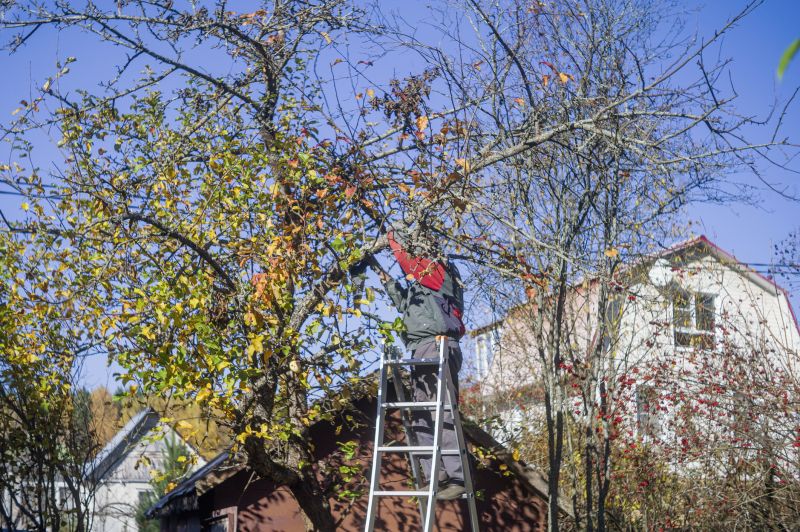
When evaluating potential service providers for tree shaping projects, it’s important to consider their experience with similar types of work. An experienced contractor will have a track record of handling projects that match the scope and complexity of what is needed. This can help ensure that the chosen professional understands the specific techniques and challenges involved, leading to a smoother process and a more successful outcome. Asking about past projects or viewing portfolios can provide insight into their familiarity with tree shaping services and their ability to deliver quality results.
Clear, written expectations are essential when comparing local contractors. A reputable service provider should be able to provide a detailed description of the work scope, materials, and any other relevant details in writing. This helps prevent misunderstandings and ensures that both parties are aligned on what will be done. Clarifying expectations early on also makes it easier to assess whether the contractor’s approach matches the homeowner’s vision and needs, fostering a transparent working relationship.
Reputable references and good communication are key indicators of a reliable service provider. Asking for references from previous clients can offer valuable insight into the contractor’s professionalism, reliability, and quality of work. Additionally, good communication-such as prompt responses and clear explanations-can make the entire process more straightforward and less stressful. It’s important to remember that the site introduces homeowners to local options capable of handling the project; it does not perform the work itself. Connecting with qualified local contractors who prioritize clear communication and have a history of satisfied clients can help ensure a positive experience.
Property owners use Tree Shaping Service services for practical projects around their homes and businesses. This guide focuses on everyday jobs and straightforward project options.
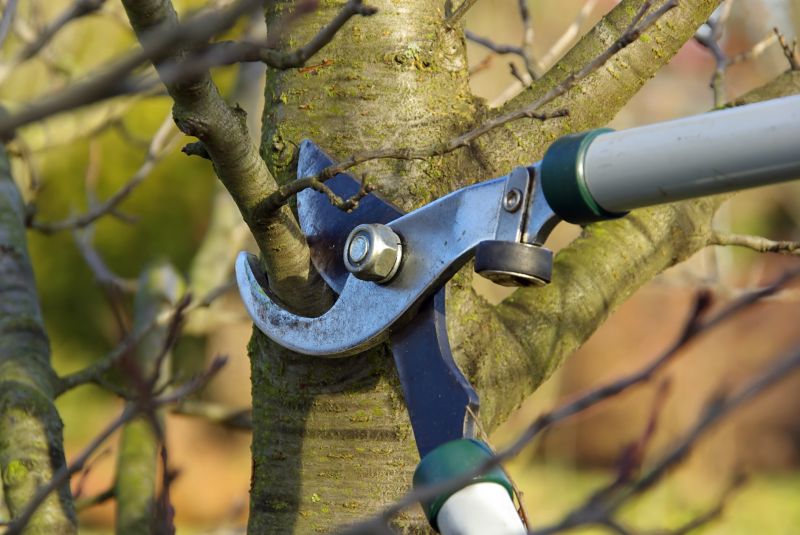
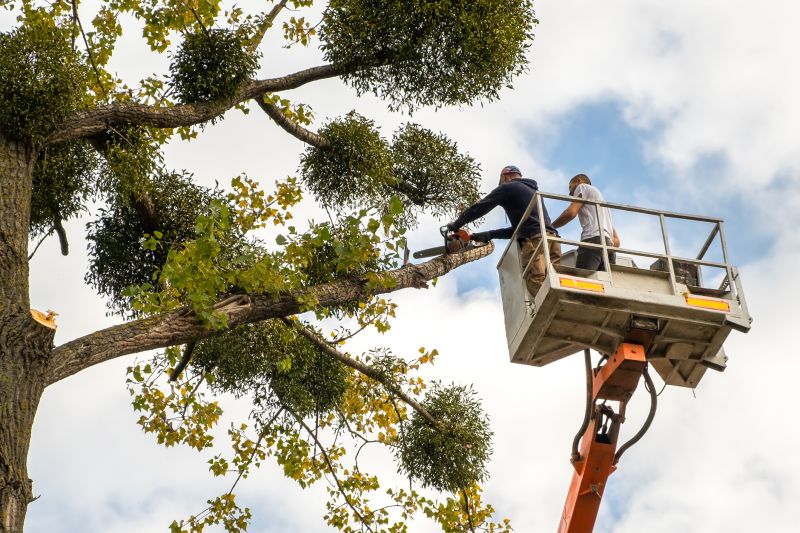
Tree shaping services are often sought after by property owners dealing with overgrown or unruly trees that impact the appearance or safety of their outdoor spaces. Whether it's pruning branches that are blocking views, removing dead or hazardous limbs, or shaping trees to better fit the landscape, local contractors can help maintain healthy and attractive trees. Homeowners and business owners might also consider tree shaping to improve curb appeal or prevent potential damage caused by falling branches during storms.
In addition, property owners may look for tree shaping services when preparing for special events or renovations that require a clear and well-maintained landscape. Some might want to encourage healthy growth patterns or manage the size of trees to accommodate building plans or outdoor features. Local service providers can assess the specific needs of each property and provide tailored solutions to enhance safety, aesthetics, and overall landscape health.
What is tree shaping service? Tree shaping service involves trained contractors sculpting and training trees into desired forms or structures, enhancing landscape aesthetics or creating functional features.
How can tree shaping services improve my property? These services can add unique visual appeal, create natural furniture or architectural elements, and contribute to a distinctive landscape design.
Are tree shaping services suitable for all types of trees? Most service providers can work with a variety of tree species, but suitability depends on the tree's age, health, and growth pattern.
What types of structures can be created with tree shaping? Common structures include arches, furniture, living fences, and artistic sculptures integrated into the landscape.
How do local contractors typically perform tree shaping? They assess the tree's condition, plan the desired shape or structure, and use pruning, training, and grafting techniques to achieve the design.
Tree Shaping for Garden Design - Enhance the aesthetic of a landscape by shaping trees into functional or decorative forms that complement outdoor spaces.
Custom Tree Structures - Create natural arches, benches, or privacy screens by training trees to grow in specific shapes for practical outdoor features.
Space Optimization - Use tree shaping to maximize usable outdoor areas, such as creating shaded walkways or seating areas integrated into existing landscapes.
Personalized Focal Points - Develop unique living sculptures or artistic features that add character and visual interest to residential or commercial properties.
If you are thinking about Tree Shaping Service for a property, this guide is meant to help you understand the work, the typical project types, and how different options might fit your plans.
When you are ready, you can use the quote form on this page to share a few details about your project. From there, local pros can review the basics and respond with options that match what you have in mind.